
Appointed judge
Entered the judiciary and rotated through civil and criminal courts in Mount Lebanon.

Saida. Baakline. The Justice Council.
Judge Hassan Kawas, also known as Hassan Nabil al-Kawas, was the Saida-born Lebanese magistrate who investigated the assassination of Kamal Jumblatt, led Lebanon's murder court, served in the Justice Council, and later became a public voice against the death penalty.
He fixed the facts of the crime, even when the state could not politically carry the truth.
Archive Architecture
The archive is organized into dedicated chapters so readers can follow the biography, judicial career, Kamal Jumblatt file, Justice Council cases, abolition arguments, timeline, and source trail without losing the thread.
The Profile
Hassan Nabil al-Kawas was born in Saida in 1928. He studied law at Universite Saint-Joseph in Beirut, practiced law for eight years, and entered the judiciary in 1962. His father was Judge Mohammad Abu al-Fadl al-Kawas, and his mother was Sadiqa Zantout.
This archive preserves the searchable public record for Judge Hassan Kawas, Hassan al-Kawas, Hassan Nabil Kawas, and the Arabic name القاضي حسن نبيل القواس.
Obituary records name his wife as Mirvat Khodor Salam and his children as Dr. Sami, Karim, Ramzi, and Maya. A profile of Dr. Sami Kawas describes a judicial line running through Hassan Kawas's father, grandfather, and great-grandfather.
His public image is unusually coherent: a murder-court judge who understood procedure, a Justice Council figure who worked inside Lebanon's political pressure, and a late-career voice for human dignity, civil peace, and the abolition of capital punishment.
Photo Archive
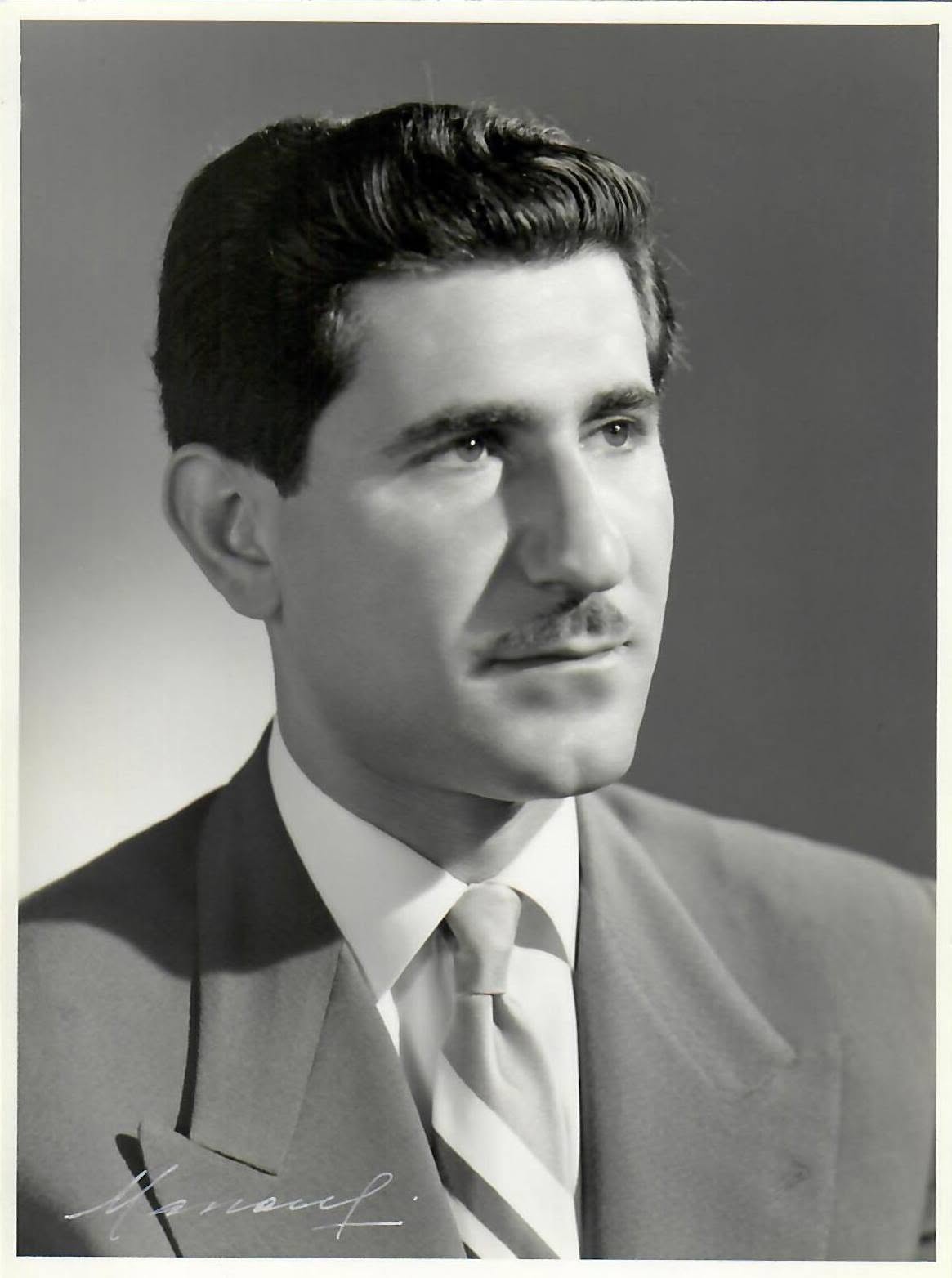
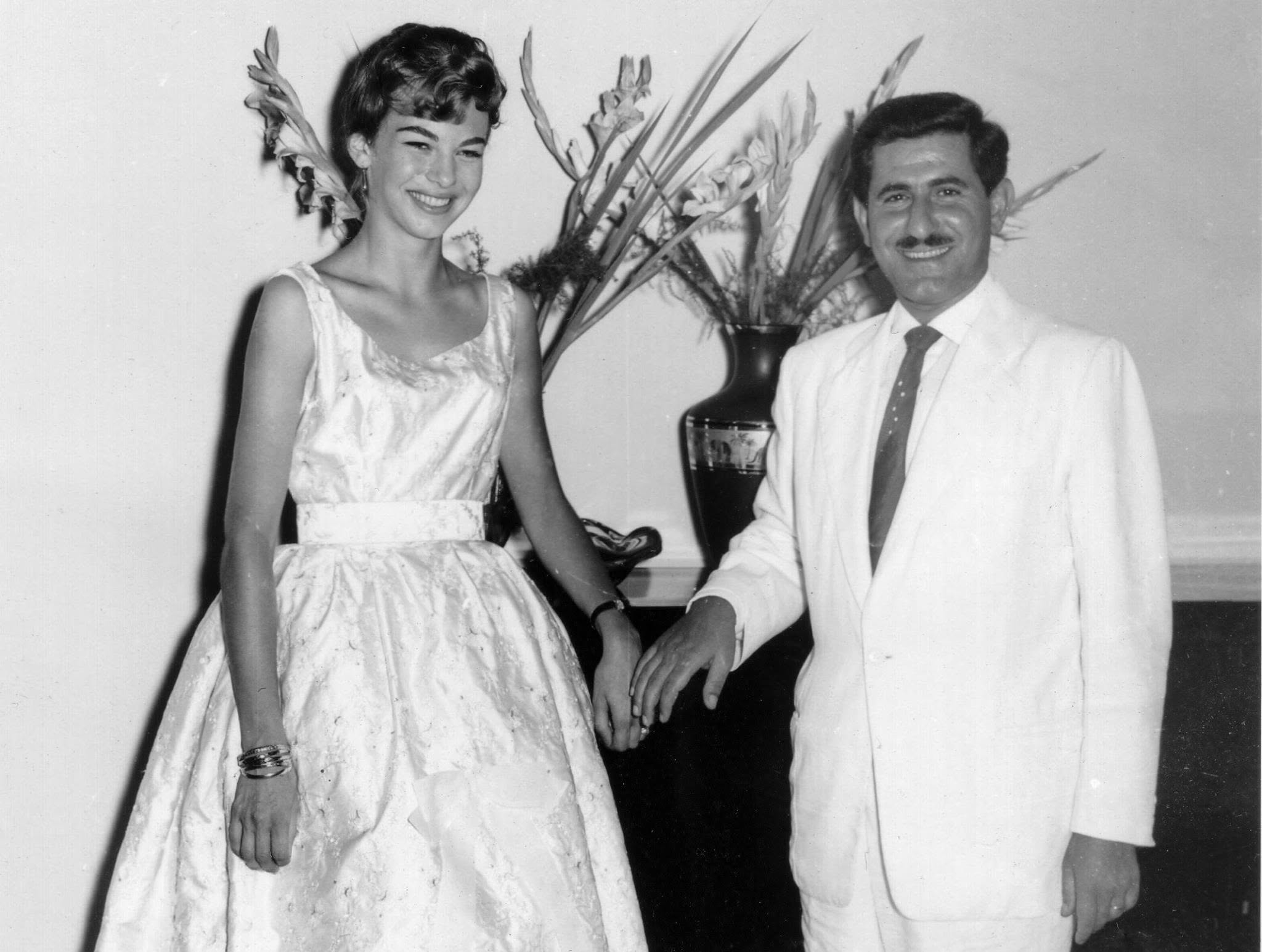
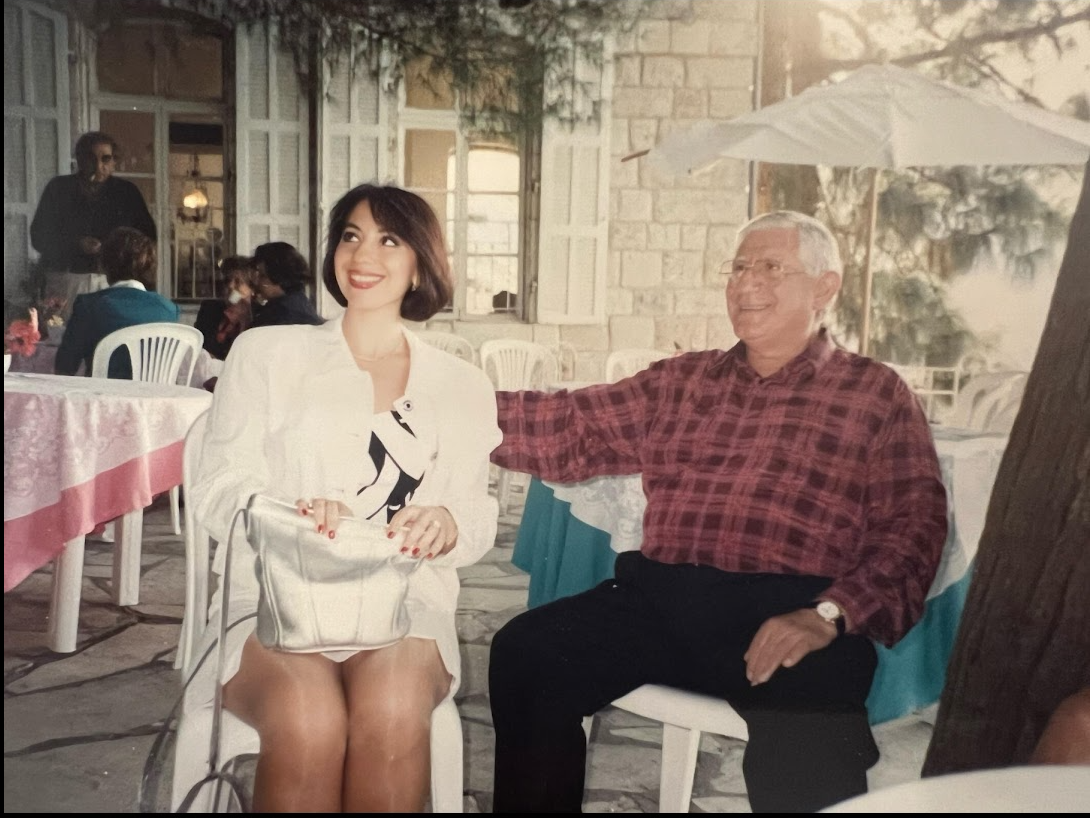
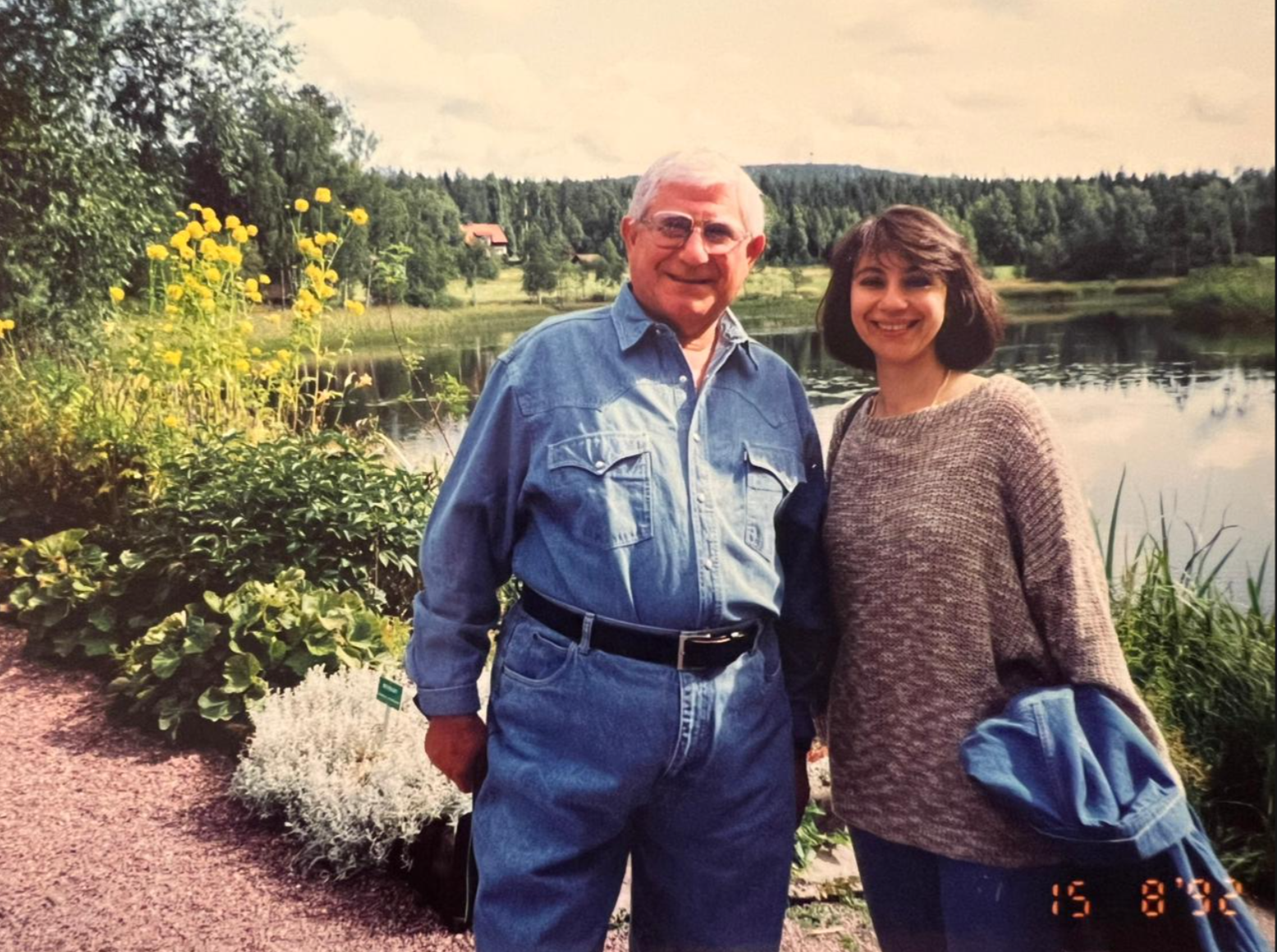
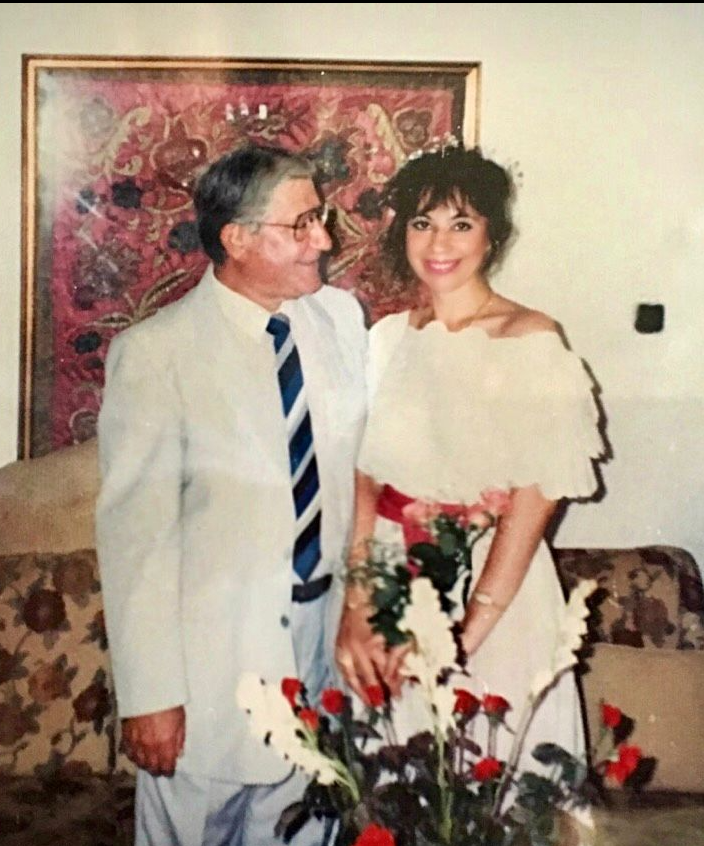
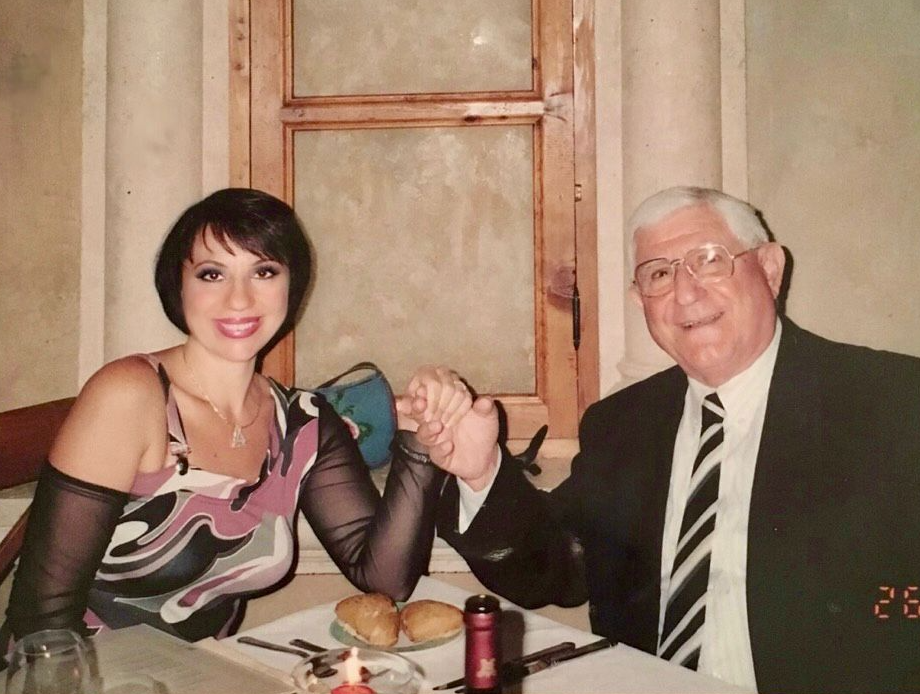
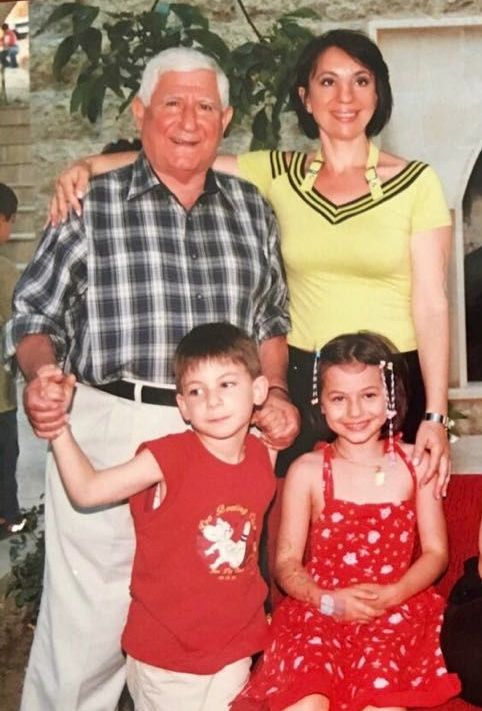
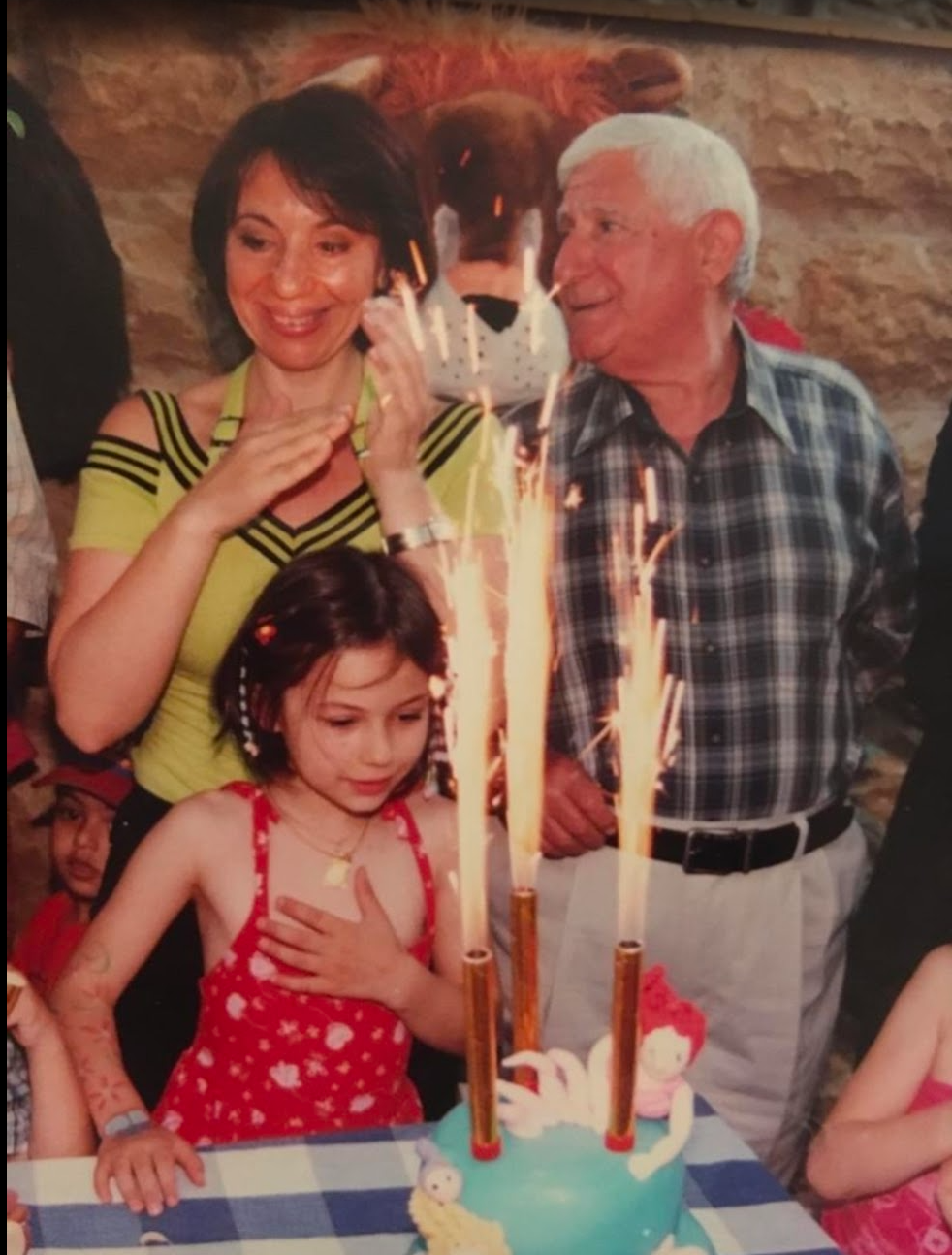
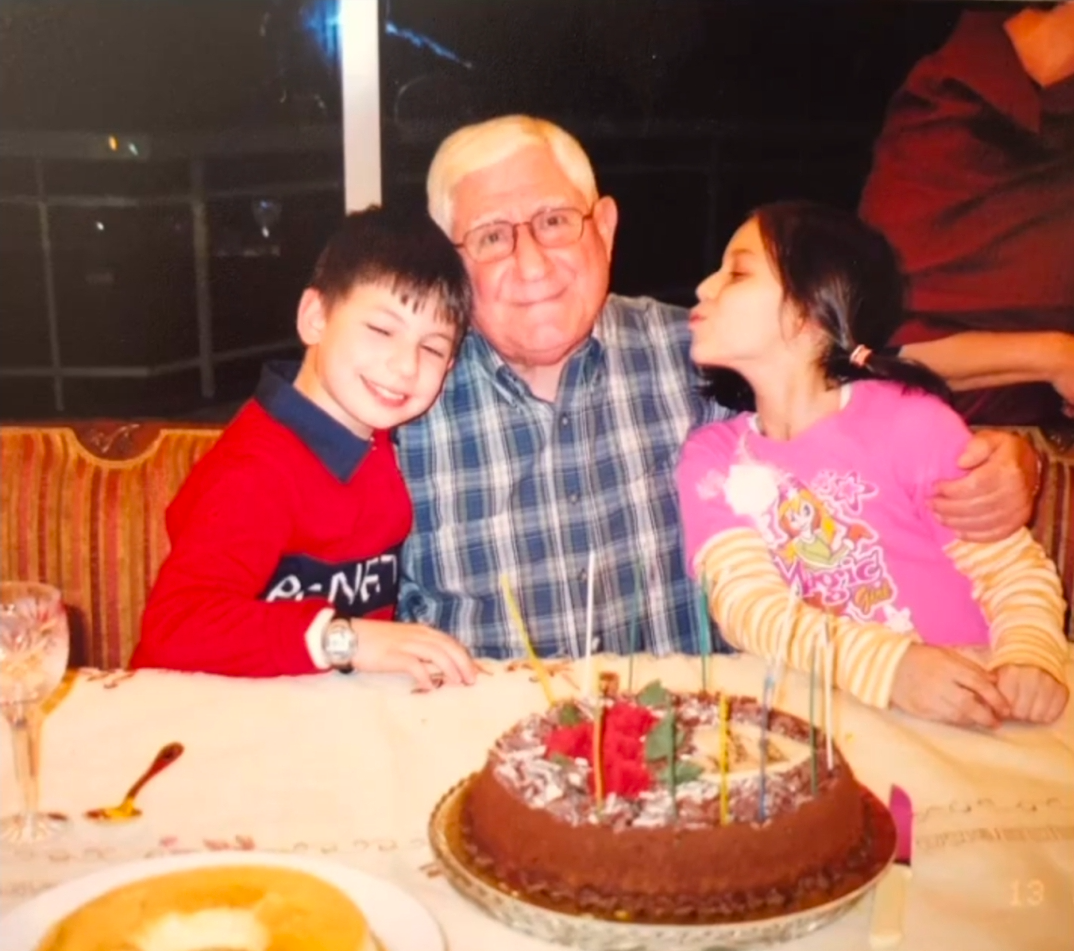
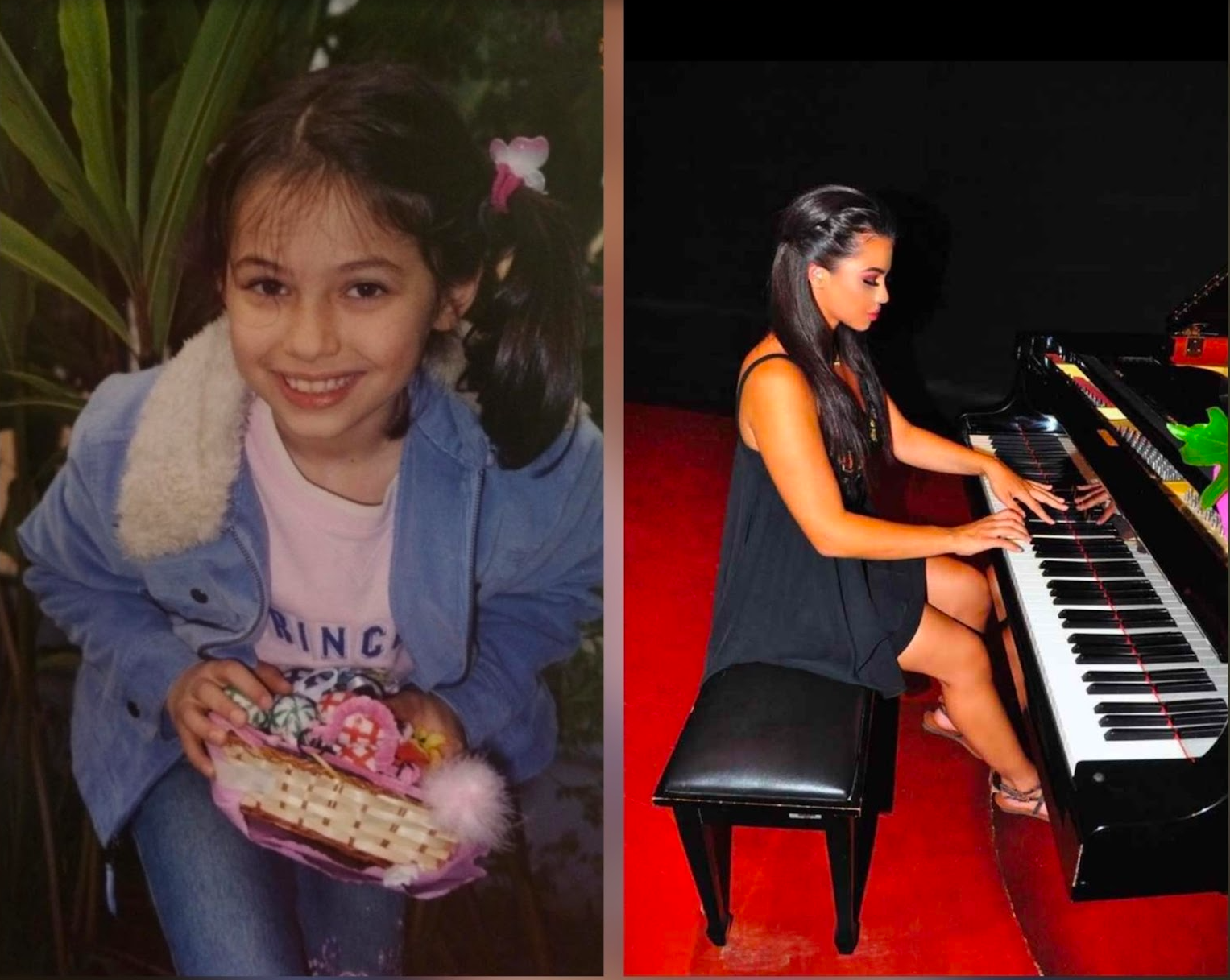
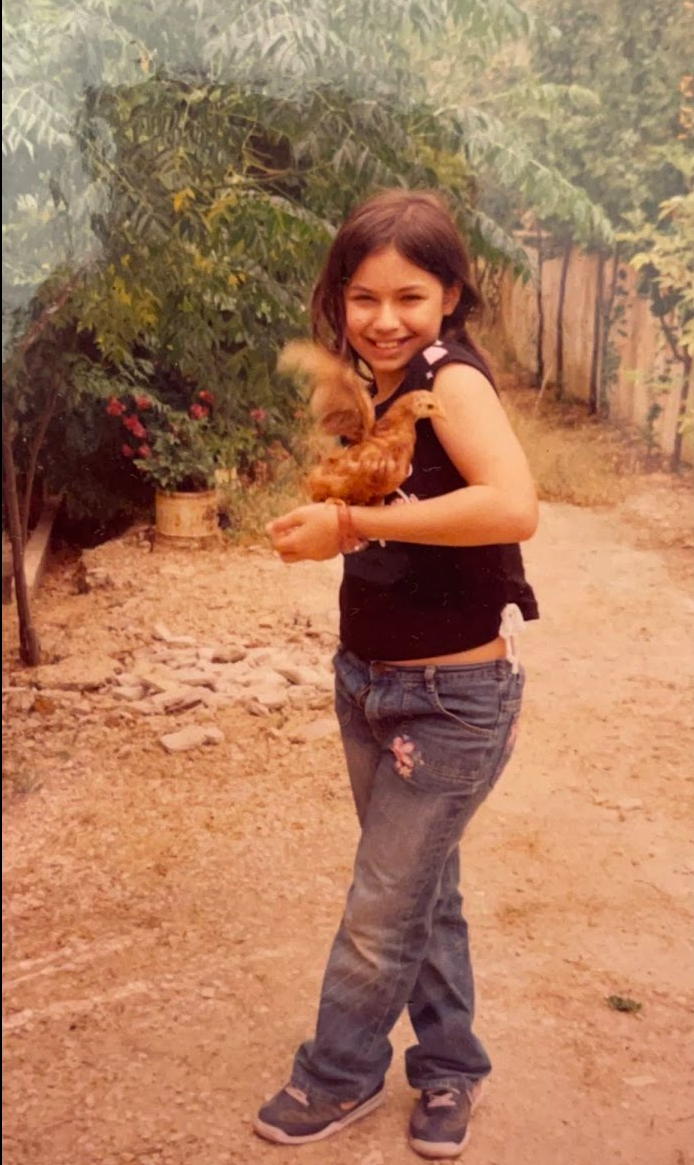
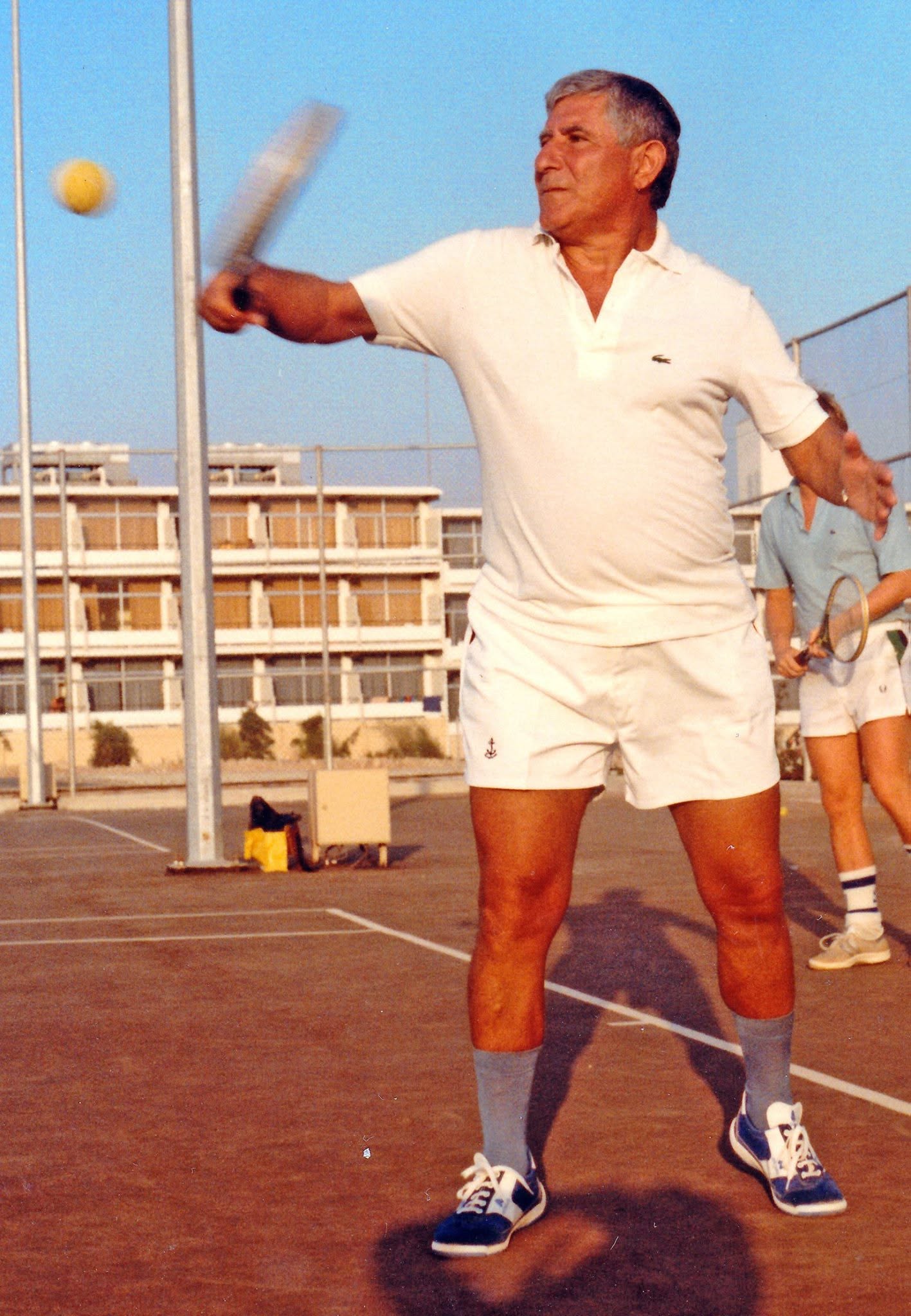
A selected set of portraits and personal images: a young studio portrait, a formal family photograph, family photographs with Mirvat Salam, and family images including Maya Kawas.



Judicial Career
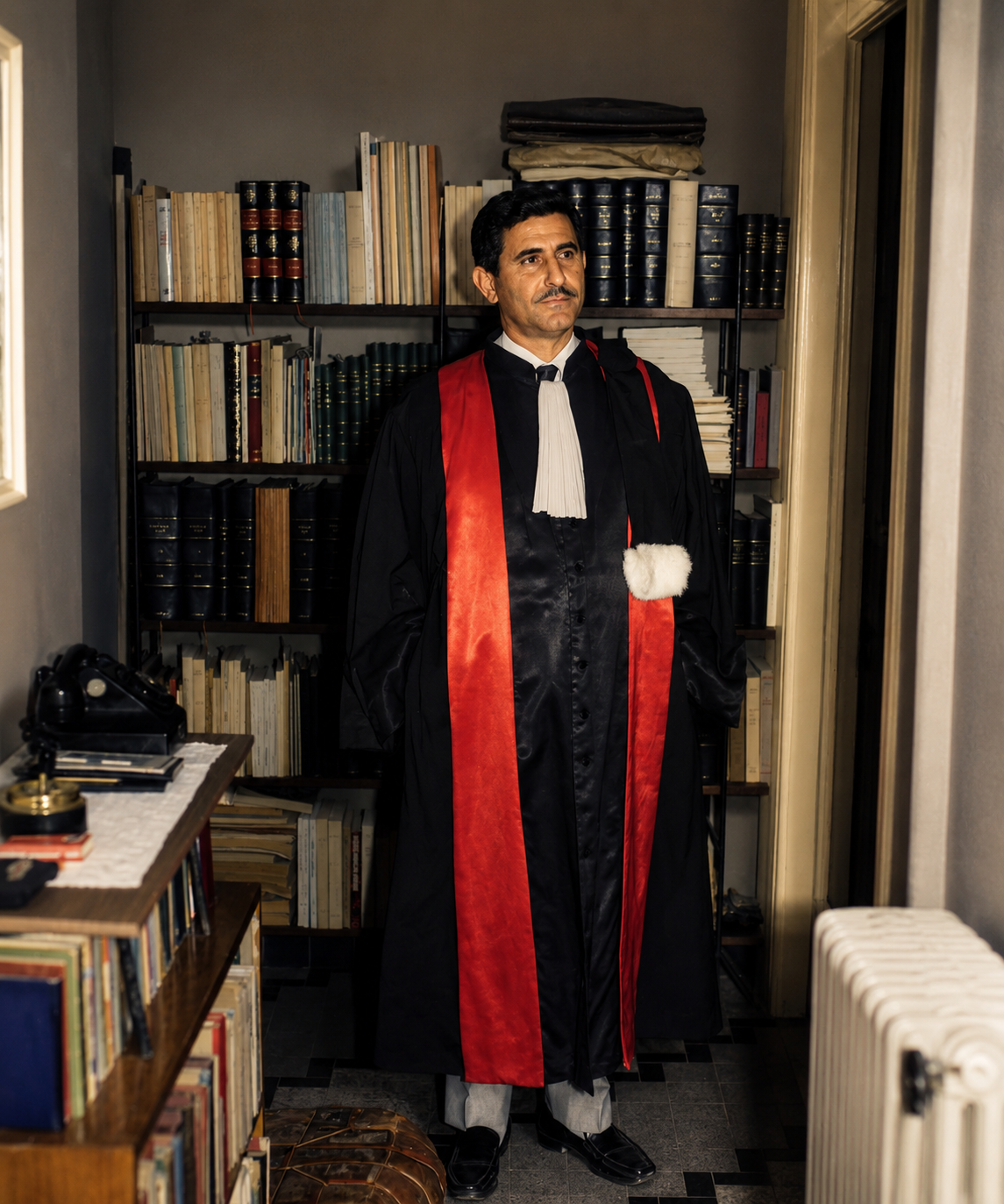
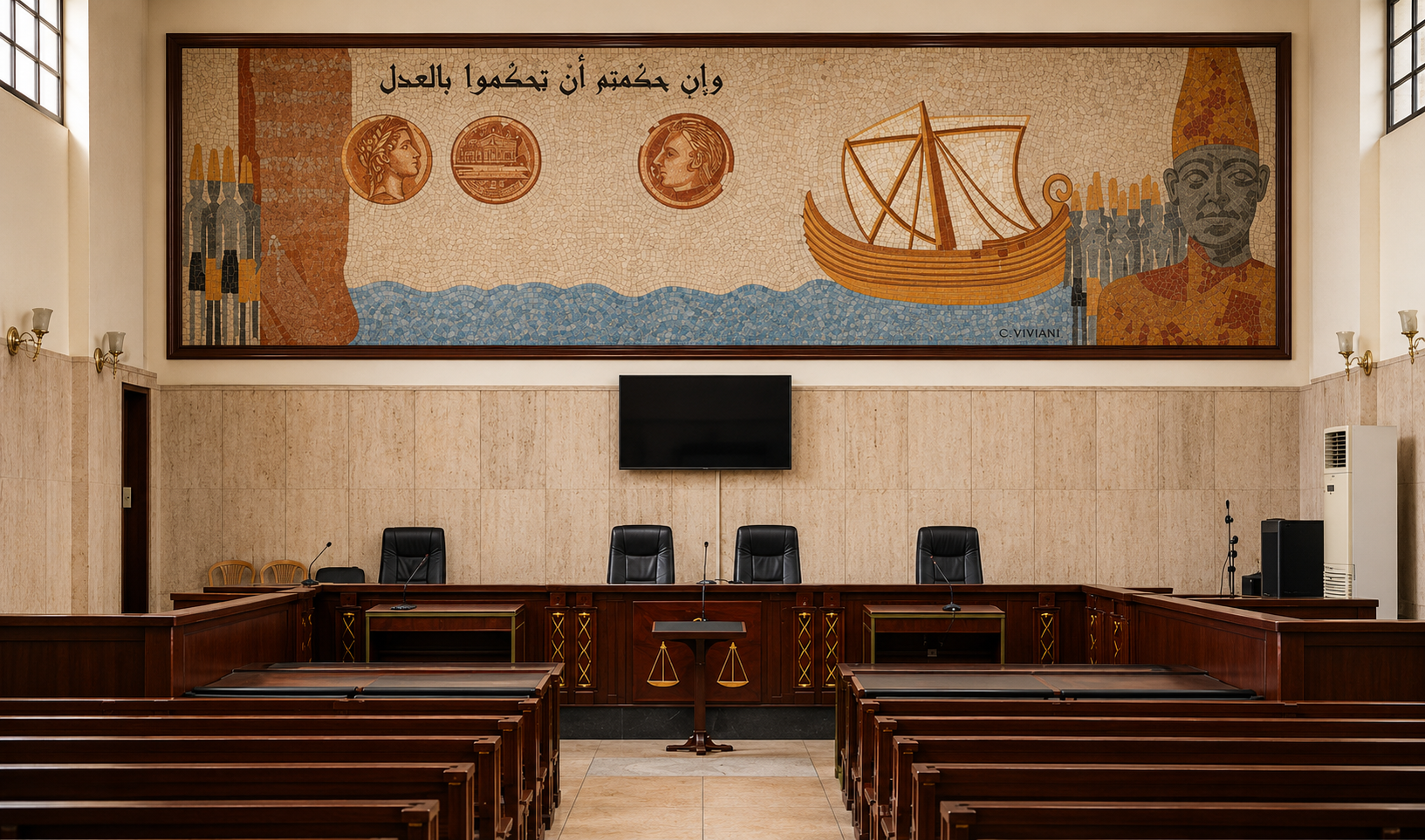
Entered the judiciary and rotated through civil and criminal courts in Mount Lebanon.
Public reporting places him at crime scenes and in direct control of early criminal investigations.
Led Lebanon's murder court, one of the country's most serious criminal jurisdictions.
Became counselor in the sixth chamber of the Court of Cassation.
Appointed an original member of the Justice Council, Lebanon's exceptional court for major state-security cases.
Kamal Jumblatt Assassination File
Kamal Jumblatt was assassinated on March 16, 1977 on the Kfarhim-Baakline road with Fawzi Shdid and Hafez al-Ghosayni. The case was referred to the Justice Council on March 21, 1977, and Kawas was appointed judicial investigator on March 22, 1977.
The As-Safir archive published the decision text on May 24, 1996, in issue 7395. It identifies Kawas as the judicial investigator, cites Decree No. 66 of March 21, 1977 referring the case to the Justice Council, and cites Decision No. 49 of March 22, 1977 appointing him to the file.
The published text fixed the criminal facts in detail: Jumblatt was in a Mercedes, a Pontiac Firebird with four armed men blocked the road, two men wore military clothing, the driver and escort were removed, and Jumblatt was shot inside the car. It also records forensic and vehicle evidence, including the Pontiac's customs history and re-entry into Lebanon shortly before the assassination.
Its ending is the legal core of the archive: after nineteen years, Kawas concluded that the investigation had not discovered the perpetrators, partners, interveners, or instigators. The proceedings were dropped, warrants withdrawn, papers preserved, and the May 23, 1996 decision was signed by judicial investigator Hassan al-Kawas.
Later source accounts describe what happened to Kawas after he took the file. Independent Arabia says he was threatened more than once, faced an attempted kidnapping, and then saw a rocket projectile fired at his home, burning it and injuring his son. The same report says the investigation had reached the four gunmen and the Syrian officer supervising the operation, Ibrahim Huweiji, linked to the Syrian intelligence center in Sin el-Fil.
Al Jazeera's documentary write-up preserves the family account: Kawas handled the investigation, and his son later recounted threats and attempted killing, including a bullet entering Kawas's bedroom, the house being burned, and an attempted assassination while Kawas was with his wife.
A more detailed kidnapping account, reported from Brig. Gen. Issam Abu Zaki's version, says two armed men in camouflage and green berets stopped Kawas near his Ras Beirut home, entered his Buick, and rode with him until Ouzai. Kawas sensed the danger, drove toward a gas station where he was known, jumped out, and workers surrounded him while the gunmen were blocked.
The heavier message, according to the same account, was an RPG fired at his house. It burned the home and injured his son Karim in the leg, reportedly causing a lifelong disability. The account adds that Karim was sent to the United States and did not return to Lebanon, while Kawas eventually left Beirut for Ainab under Walid Jumblatt's protection and his family went to America. These materials are treated here as attributed testimony and press reconstruction, not court-confirmed archive fact.
See the source trail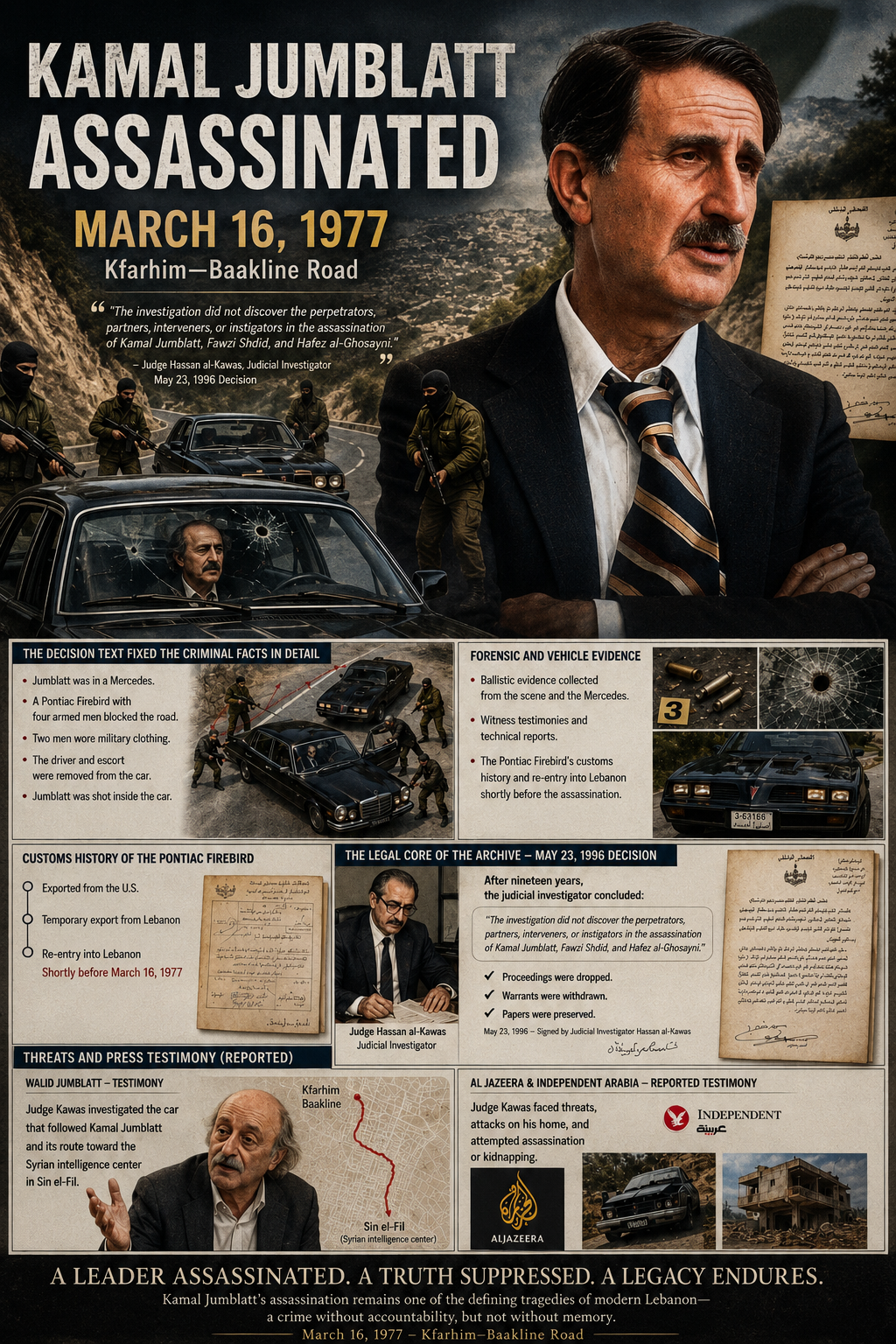
Lebanon News Online / Al Jazeera Documentary
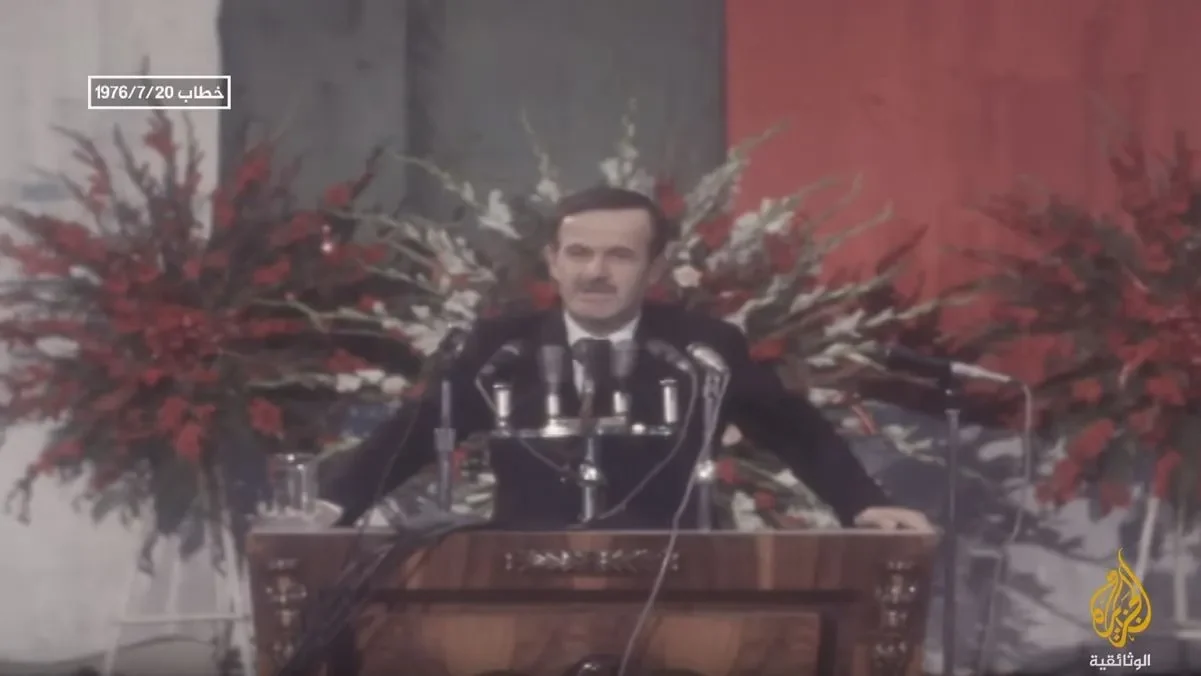
Lebanon News Online preserves Al Jazeera Documentary's "Three Enemies: Which One Killed Kamal Jumblatt?" The reconstruction weighs multiple political tracks. The most detailed evidentiary trail follows the Pontiac Firebird, Syrian checkpoint pressure, hotel and customs records, and the later attribution to Ibrahim Huweiji.
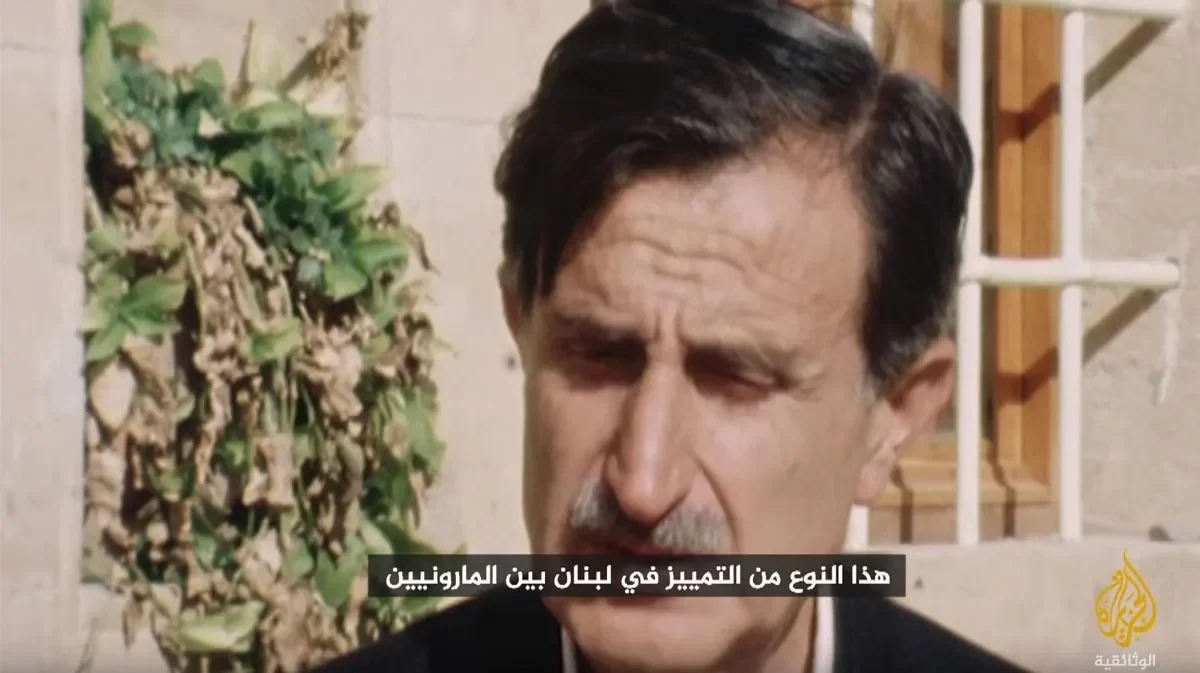
The article records the immediate local accusation against Maronite political enemies, rooted in Jumblatt's opposition to Maronite dominance and his alignment with the Palestinian camp. It also says the reviewed material did not carry that suspicion to proof of responsibility.
The Syrian track is the strongest in the reconstruction: Jumblatt opposed Syrian intervention, Syrian forces reportedly harassed him at checkpoints, and the article cites a U.S. intelligence warning that the Syrians were determined to crush him.
The source repeats the family account that Kawas faced threats and attempted killing after taking the file, including a bullet entering his bedroom, the house being burned, and an assassination attempt while he was with his wife.
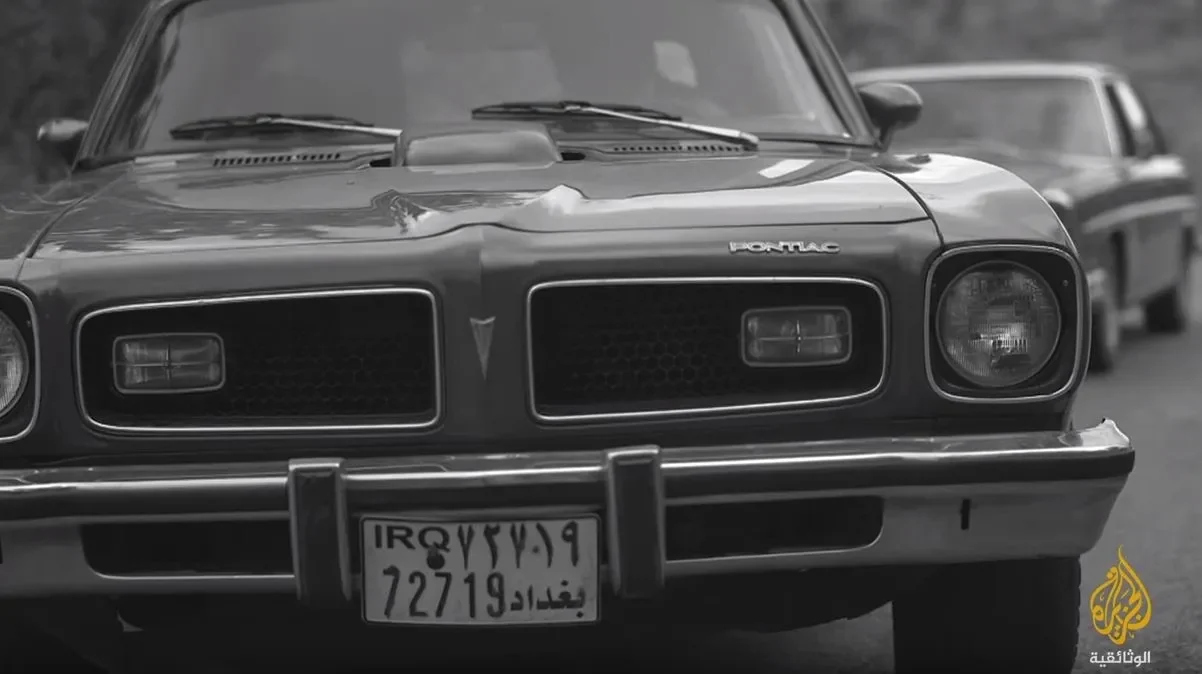
The Pontiac with Iraqi plate 72719 is traced through witness sightings, Beirut hotels, customs files, a narcotics seizure, and claims that Syrian deterrent forces took custody of the car and suspects.
The trail ends at an alleged Syrian intelligence center in Sin el-Fil and the name Ibrahim Huweiji. The article closes with a claim attributed to Rifaat al-Assad's audio recording that Huweiji killed Jumblatt.
Major Case Record
As investigating judge in Beirut, Kawas reportedly went to the Tariq al-Jdideh crime scene, ordered forensic examination and autopsy, and delegated the Beirut criminal police to investigate.
His central public file: a Justice Council investigation into an assassination whose published 1996 decision fixed the crime scene, vehicle evidence, and legal dead end without naming the perpetrators.
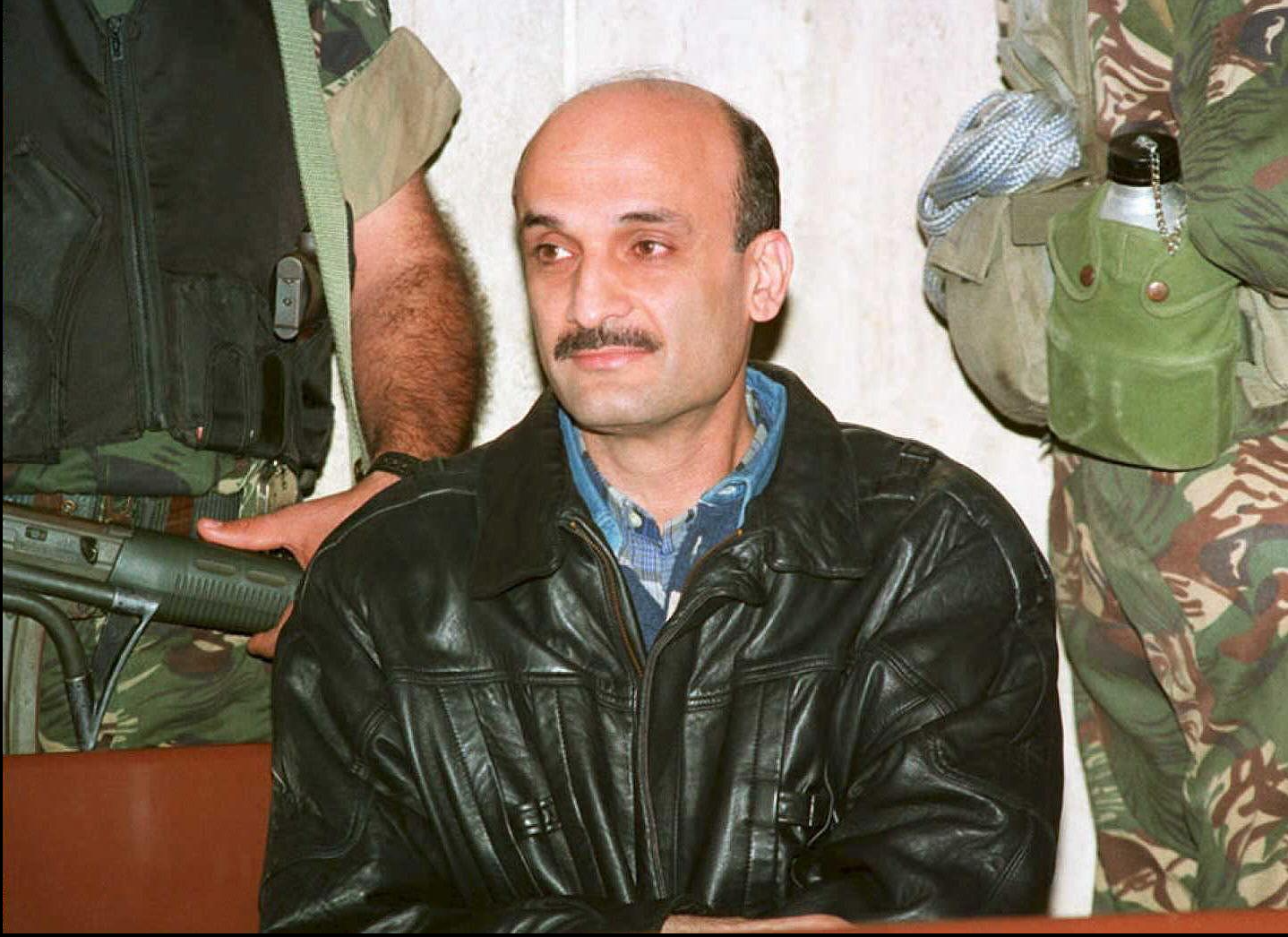
In 1995, Sidon-born Judge Hassan Kawas sat on Lebanon's Justice Council during the Dany Chamoun family assassination case. The court convicted Lebanese Forces leader Samir Geagea of inciting the killing and sentenced him to death, later reduced to life imprisonment. Kawas's role was judicial: he was one of the five judges who issued and signed the final ruling.
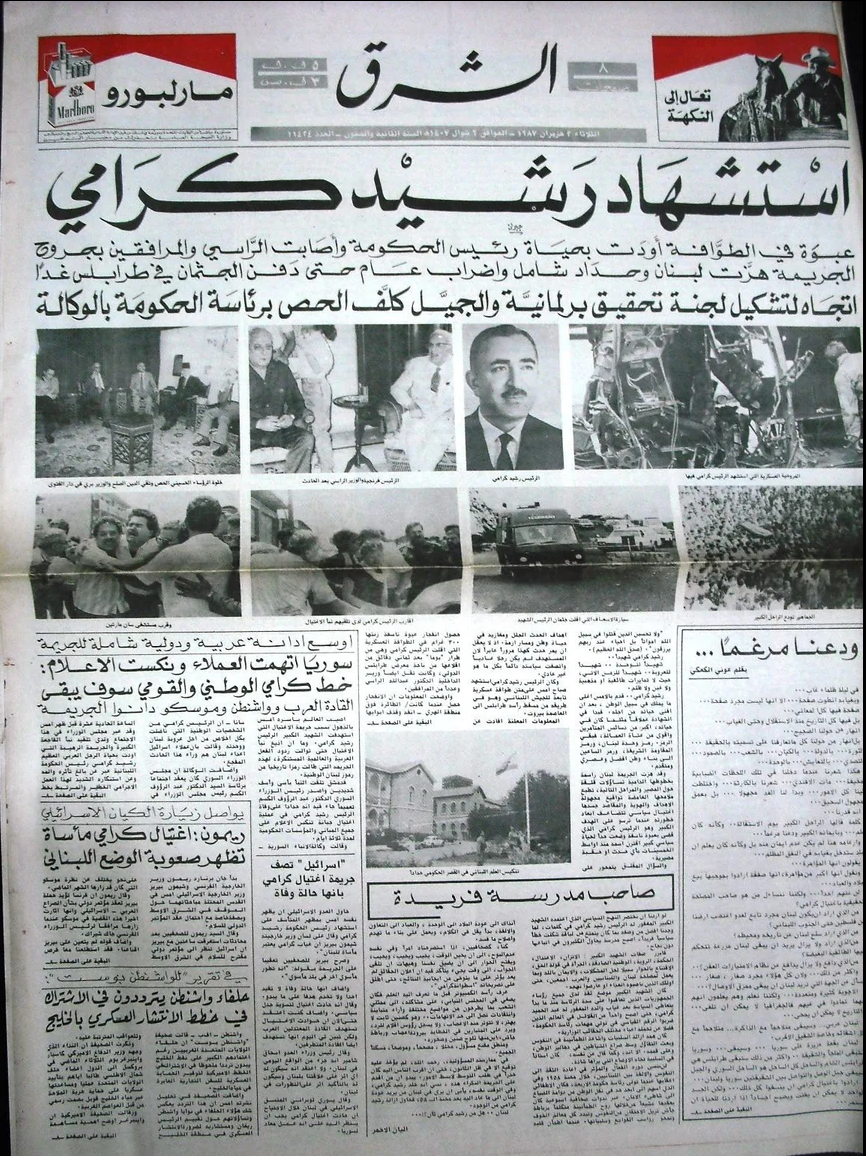
After leaving the bench, Hassan Kawas reappeared in a second major case involving Samir Geagea. In the Rashid Karami assassination trial, he represented the personal-claimant side and questioned witnesses before the Justice Council, shifting from judge to legal advocate in one of Lebanon's most sensitive post-war trials.
Press Archive
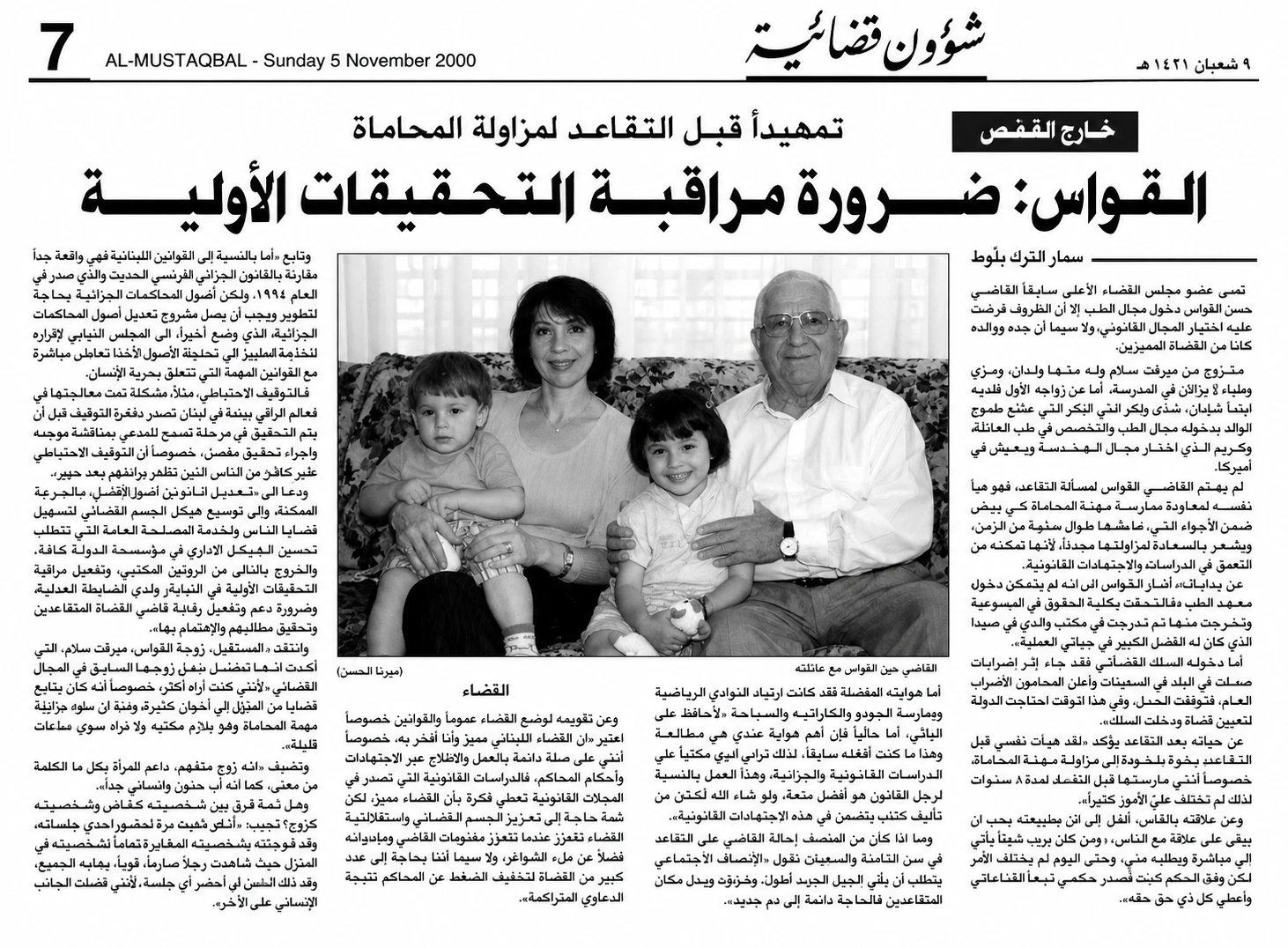
The archive includes Arabic press material documenting Judge Kawas's public voice after retirement. The original image keeps the historical layout visible while future transcription can make the article searchable and citable.
That press record matters because Kawas's legacy is not only institutional. It is also intellectual: a judge reflecting on punishment, independence, courage, and the moral condition of justice.
Conscience and Human Dignity
Kawas became known as an opponent of capital punishment. A death-penalty source cites his article titled, in translation, "Execution does not achieve justice, and demanding its abolition is a civilized phenomenon." The original An-Nahar page from May 30, 2003 is an important reference for this part of his public record.
The strongest point is not that he opposed punishment from outside the system. He had been a murder-court judge who issued death sentences, then changed position after concluding that execution did not reduce criminality.
On December 11, 1990, he spoke at a Human Rights in Lebanon seminar in Saida, linking rights to conscience, justice, freedom, equality, and dignity.
In a 1996 tribute to Judge Wajih Alawieh, Kawas described the judiciary as "the house of justice" and praised knowledge, courage, conscience, independence, and freedom of opinion.
Legal Agenda places him among judges involved in collective judicial action asking that the judiciary be treated as an authority, not a mere administrative function.
Public Thought
Antoine Messarra's tribute connects him with the Lebanese Foundation for Permanent Civil Peace from the early 1980s onward. L'Orient-Le Jour also confirms that Kawas was elected to its executive committee in 2002.
The Saida Cultural Research and Documentation Center places him in a January 6, 1990 seminar on secularism from an Islamic perspective.
In March 2003, the Cultural Movement in Antelias honored Kawas, where As-Safir says he touched again on thoughts about abolishing the death penalty.
January 6, 1990 Seminar
A public record from the Saida Cultural Research and Documentation Center places Judge Hassan Kawas in a January 6, 1990 discussion on secularism, Islam, civil authority, and Lebanon's confessional political system.
Seminar titled "Secularism from an Islamic Perspective," published by the Saida Cultural Research and Documentation Center.
January 6, 1990, in Saida, during a period when Lebanon was debating political identity, civil peace, and the future of the state.
The page names Dr. Mustafa Dandashli in the presentation and Judge Hassan Kawas in the seminar contribution.
The argument distinguishes moderate secularism from atheism or hostility to belief. It presents the civil state as a framework that protects faith, worship, and private religious life while keeping state authority from being captured by one sect.
Kawas frames Lebanon's crisis as a political problem: sectarian fear had turned religious identity into a tool of power, division, and foreign manipulation. The proposed answer is gradual abolition of political confessionalism and movement toward moderate secularism.
The text argues that Islam can coexist with democratic civil rule because it honors reason, consultation, justice, dignity, and human responsibility. It rejects tyranny and treats public authority as an ethical trust rather than a license for domination.
Timeline
Born in Saida to Judge Mohammad Abu al-Fadl al-Kawas and Sadiqa Zantout.
Entered the judiciary after earning a law degree at Universite Saint-Joseph and practicing law for eight years.
Appointed investigating judge in Beirut.
Appointed judicial investigator in the Kamal Jumblatt assassination file.
Served as president of Lebanon's murder court.
Spoke at a Human Rights in Lebanon seminar in Saida.
Became Court of Cassation counselor and an original Justice Council member.
Kawas signs the charging decision in the Jumblatt assassination file; As-Safir publishes the text the next day.
Publicly associated with abolitionist arguments against the death penalty and honored by the Cultural Movement in Antelias.
Death notices report the passing of Judge Hassan Kawas.
Source Archive
The record below gathers legal texts, press reports, tribunal references, civic records, and family context that document the life and public work of Judge Hassan Kawas.
Future additions may include the original court scan of the May 23, 1996 decision, the original An-Nahar page from May 30, 2003, the full STL transcript of Walid Jumblatt from May 4, 2015, official documentary transcripts, and family-approved photographs, letters, and documents.